
Morocco is home to some of the most diverse and breathtaking mountain landscapes in North Africa. Stretching across the country, Morocco’s mountains offer a unique blend of natural beauty, traditional villages, and rich cultural heritage.
The mountain regions are not only known for their scenery but also for the strong connection between nature and daily life. Communities have lived in harmony with the mountains for centuries, preserving traditions, architecture, and ways of life shaped by the land.
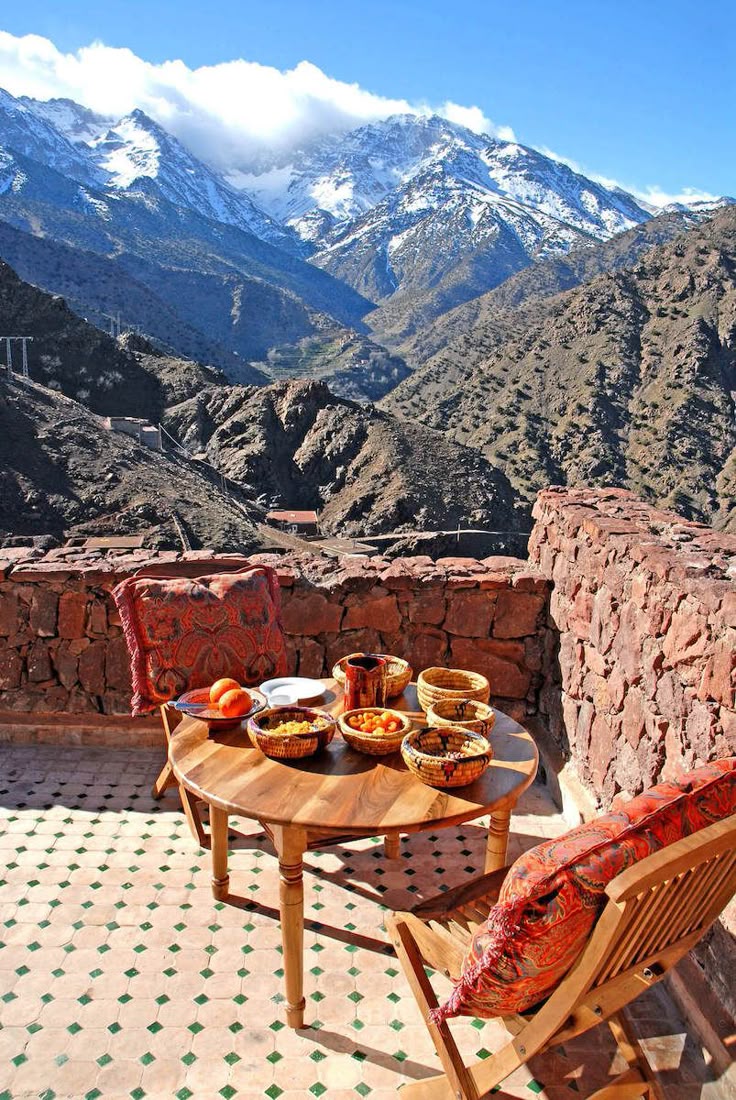
Life in Morocco’s mountain regions is calm, traditional, and closely tied to nature. For centuries, Amazigh communities have settled in these highlands, creating a lifestyle shaped by patience, resilience, and respect for the land.
Daily life depends strongly on the seasons. In spring and summer, families work in terraced fields growing barley, wheat, vegetables, and fruit trees. In winter, life slows down as snowfall covers the peaks and people gather indoors around warm meals and shared stories.
Livestock such as sheep and goats play an important role in mountain life. They provide food, wool, and income, while also forming part of long-standing rural traditions passed from one generation to the next.
Homes are built using stone, clay, and wood, allowing them to blend naturally into the landscape. These materials help protect families from both cold winters and hot summers, showing the wisdom of traditional mountain architecture.
Community life remains strong in the mountains. Neighbors help one another during harvests, celebrations, and difficult times. Hospitality is deeply rooted — guests are always welcomed with mint tea, homemade bread, and simple but heartfelt meals.
Life in the mountains reflects a deep connection between people, culture, and nature — a way of living that values balance, unity, and tradition over speed and modern pressure.
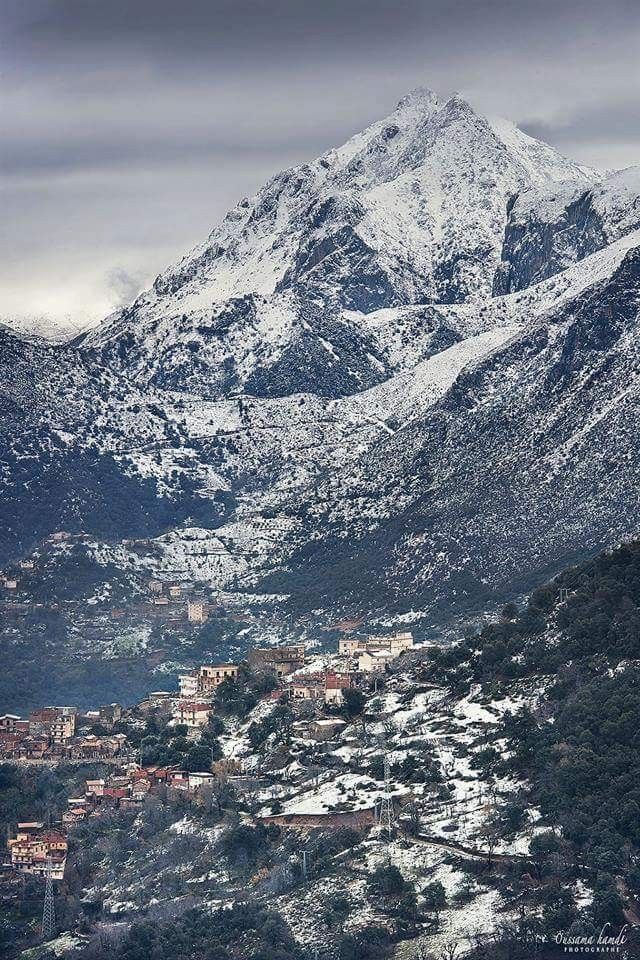
The High Atlas Mountains are the largest and most famous mountain range in Morocco, stretching across the center of the country from the Atlantic coast toward the east. Often called the “roof of North Africa,” these mountains separate the fertile plains from the Sahara Desert.
This region is home to many Amazigh (Berber) villages built from stone and earth, blending naturally with the mountain landscape. Life in the High Atlas is closely connected to nature, where families depend on agriculture, livestock, and seasonal farming.
Terraced fields climb the slopes of the mountains, allowing locals to grow barley, wheat, apples, walnuts, and almonds despite the rugged terrain. During winter, snow covers the peaks, while spring brings green valleys and flowing rivers.
The High Atlas Mountains have long served as an important cultural bridge between northern Morocco and the southern regions. Ancient mountain paths were once used by traders, shepherds, and travelers crossing between valleys and deserts.
Traditional customs remain strong in this area, with local festivals, music, and clothing reflecting Amazigh identity. Despite modern changes, many communities continue to preserve their language, architecture, and way of life, making the High Atlas a living symbol of Moroccan heritage.
The High Atlas is also a popular destination for hikers and travelers seeking breathtaking scenery, traditional villages, and authentic mountain life. It represents strength, resilience, and a deep connection between people and the land they call home.
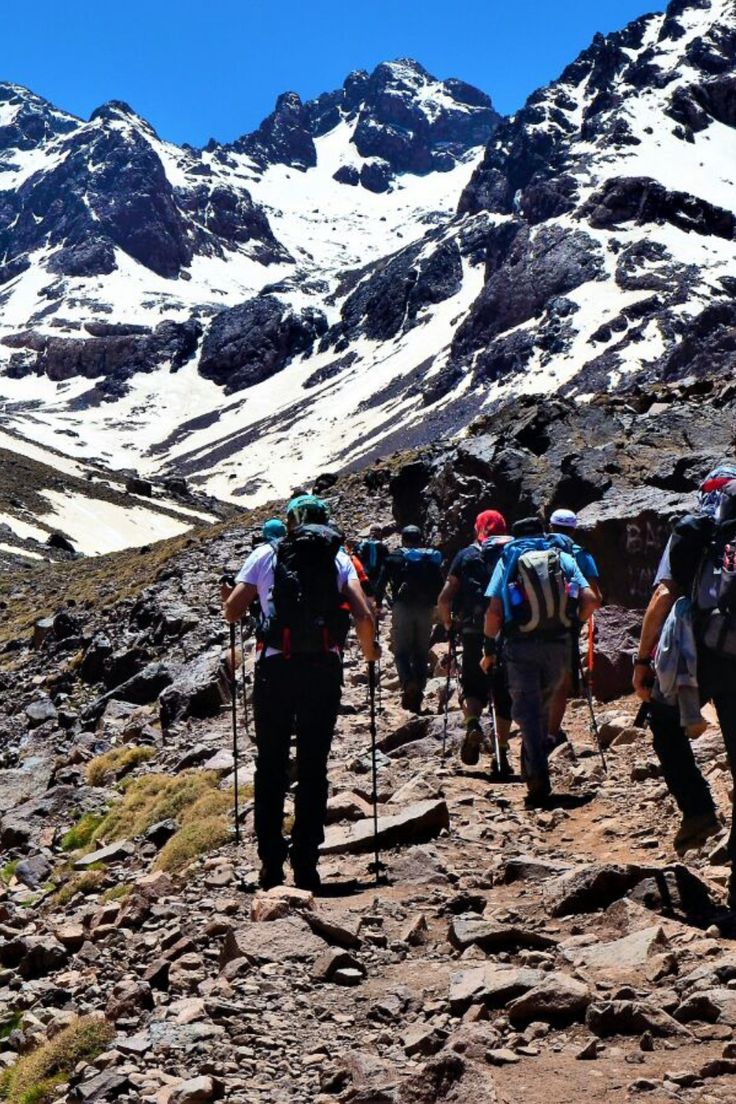
Mount Toubkal is the highest mountain in North Africa, rising in the heart of the High Atlas Mountains in southern Morocco. Located near the village of Imlil, it is one of the country’s most famous natural landmarks.
The mountain is surrounded by deep valleys, rocky paths, and traditional Amazigh villages that have existed for generations. These settlements reflect a strong connection between the people and the mountain environment.
Mount Toubkal attracts hikers and adventurers from around the world who come to experience its dramatic scenery and wide panoramic views. The trail passes through rivers, mountain passes, and high-altitude landscapes.
During winter, the summit is covered in snow, offering a striking contrast to the surrounding valleys. In summer, the clear skies and fresh air make the area ideal for trekking and exploration.
Local communities continue to preserve their traditions, language, and hospitality, welcoming visitors with warmth and simplicity. The mountain remains a central part of daily life in the region.
Mount Toubkal represents endurance, natural beauty, and the spirit of adventure that defines Morocco’s mountain regions.
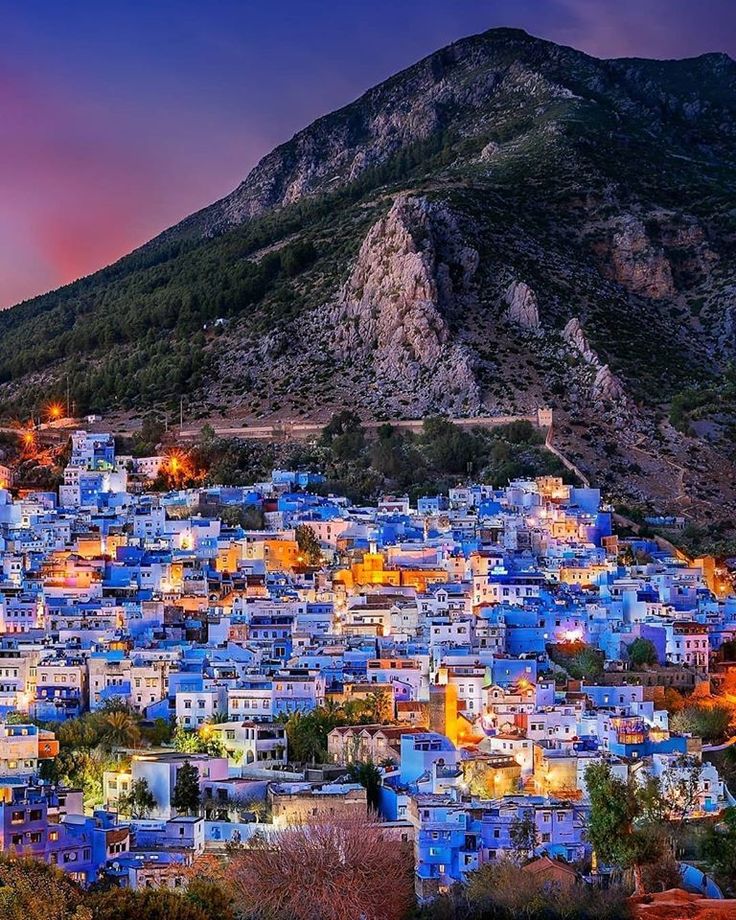
The Rif Mountains stretch across northern Morocco along the Mediterranean coast, forming one of the country’s most distinctive and green mountain regions. Known for their fresh climate and dramatic landscapes, the Rif offers a different face of Morocco.
This region is characterized by rolling hills, deep valleys, and forested slopes filled with olive trees, fig trees, and cedar forests. Rainfall is more frequent here, giving the Rif its lush and vibrant appearance.
Many villages in the Rif are built on steep hillsides, overlooking the sea or surrounding valleys. Life in these communities is shaped by agriculture, traditional farming, and strong family ties.
The Rif Mountains are home to a rich cultural heritage, especially within Amazigh communities who preserve their language, music, and customs. Local traditions remain an essential part of daily life.
The region is also famous for towns such as Chefchaouen, known for its blue-painted streets and peaceful atmosphere. These towns reflect the harmony between architecture, culture, and natural surroundings.
The Rif Mountains represent calmness, cultural depth, and natural beauty, offering visitors a unique experience shaped by mountain life and Mediterranean influence.
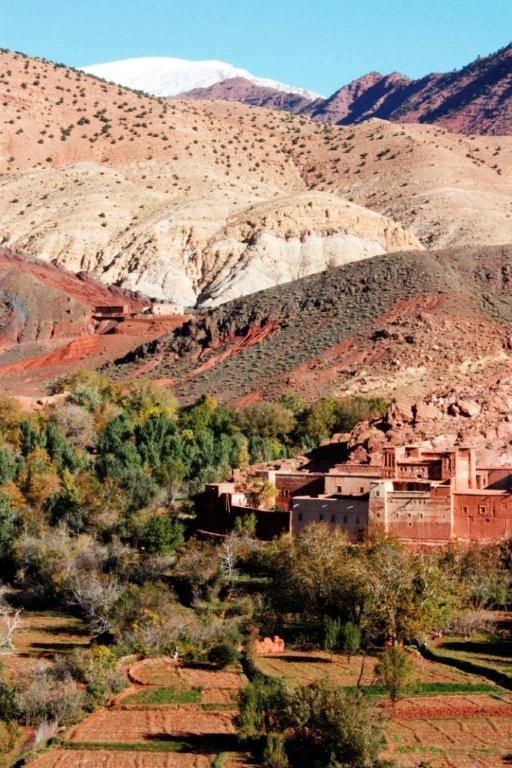
The Middle Atlas Mountains are located in central Morocco and form one of the country’s most important natural regions. Known for their forests, lakes, and mild climate, these mountains offer a peaceful and refreshing landscape.
The region is famous for its vast cedar forests, especially around Ifrane and Azrou. These forests are home to wildlife such as the Barbary macaque and play an essential role in Morocco’s natural ecosystem.
Mountain plateaus and fertile valleys make the Middle Atlas suitable for agriculture and livestock. Local communities rely on farming, herding, and traditional methods that have been practiced for generations.
During winter, parts of the Middle Atlas are covered with snow, turning the region into a popular destination for winter activities. In summer, the cool temperatures attract visitors seeking escape from the heat.
Amazigh culture remains strong throughout the Middle Atlas, visible in architecture, clothing, and daily customs. Village life continues to reflect simplicity, cooperation, and respect for nature.
The Middle Atlas Mountains represent balance between nature and human life, offering landscapes shaped by forests, water, and long-standing traditions.
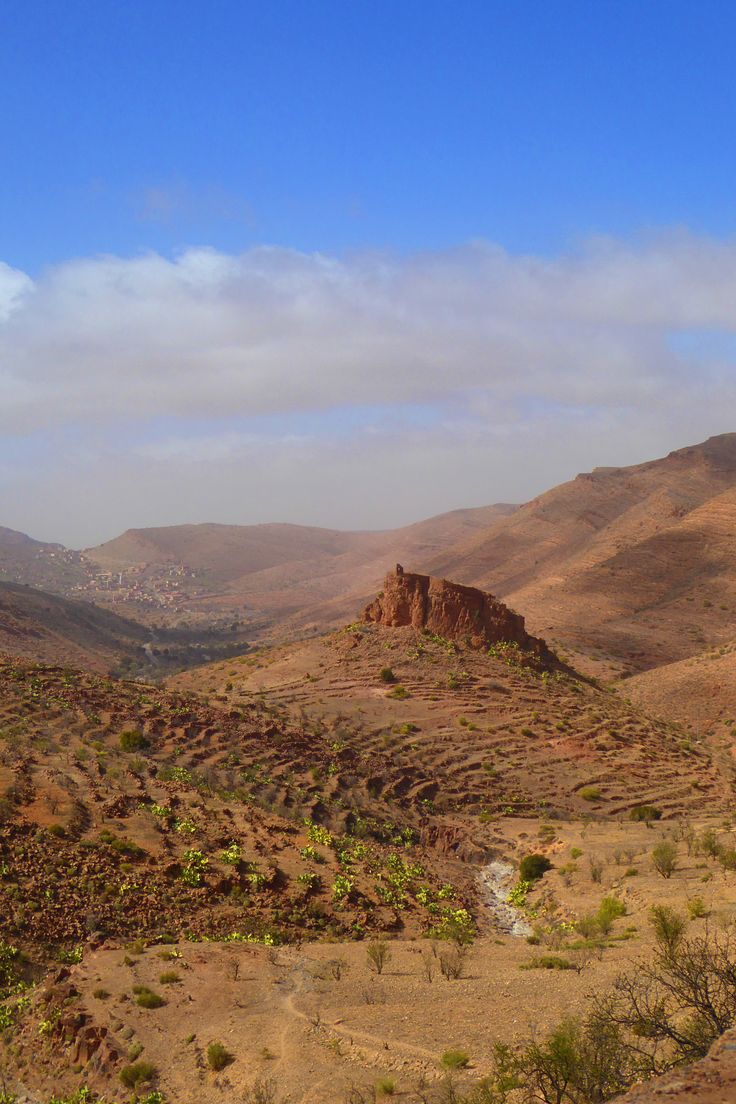
The Anti-Atlas Mountains lie in southern Morocco, stretching toward the edges of the Sahara Desert. This region presents a striking contrast to the greener northern mountains, offering rocky landscapes and wide open horizons.
The terrain is shaped by ancient rock formations, deep valleys, and dry plateaus that reflect the strength and endurance of the land. Despite the harsh environment, life has continued here for centuries.
Villages in the Anti-Atlas are often built from stone and clay, blending naturally into the surrounding mountains. Local communities depend on small-scale agriculture, oasis farming, and traditional water systems.
Palm groves, almond trees, and seasonal rivers bring life to the valleys, creating pockets of greenery within the arid landscape. These natural elements have allowed people to adapt and survive in challenging conditions.
Amazigh culture is deeply rooted in the Anti-Atlas, with strong traditions, architecture, and craftsmanship preserved through generations. The region remains rich in history and identity.
The Anti-Atlas Mountains represent resilience, simplicity, and the deep connection between people and the desert landscapes of southern Morocco.
Morocco’s mountains reveal the country’s incredible diversity, from the green forests of the north to the rugged landscapes of the south. Each mountain range carries its own climate, culture, and way of life shaped by nature and tradition.
Together, the High Atlas, Middle Atlas, Rif, and Anti-Atlas form a living heritage where history, community, and landscape come together. Exploring Morocco’s mountains means discovering authentic villages, ancient paths, and a deep connection between people and the land.
These mountains stand as a symbol of strength, resilience, and timeless beauty, offering visitors a true glimpse into the heart of Morocco.
Discover More About Morocco
Morocco’s mountains are just one chapter of its diverse natural beauty. Continue exploring to discover the country’s cities, deserts, traditions, and ways of life shaped by history and landscape.