
Moroccan handcrafts are a living expression of the country’s history, creativity, and cultural identity. Passed down through generations, these traditional arts reflect the skills of master artisans who transform natural materials into beautiful handmade pieces.
From colorful souks to small workshops hidden in ancient medinas, Moroccan craftsmanship tells stories of patience, precision, and pride in heritage.
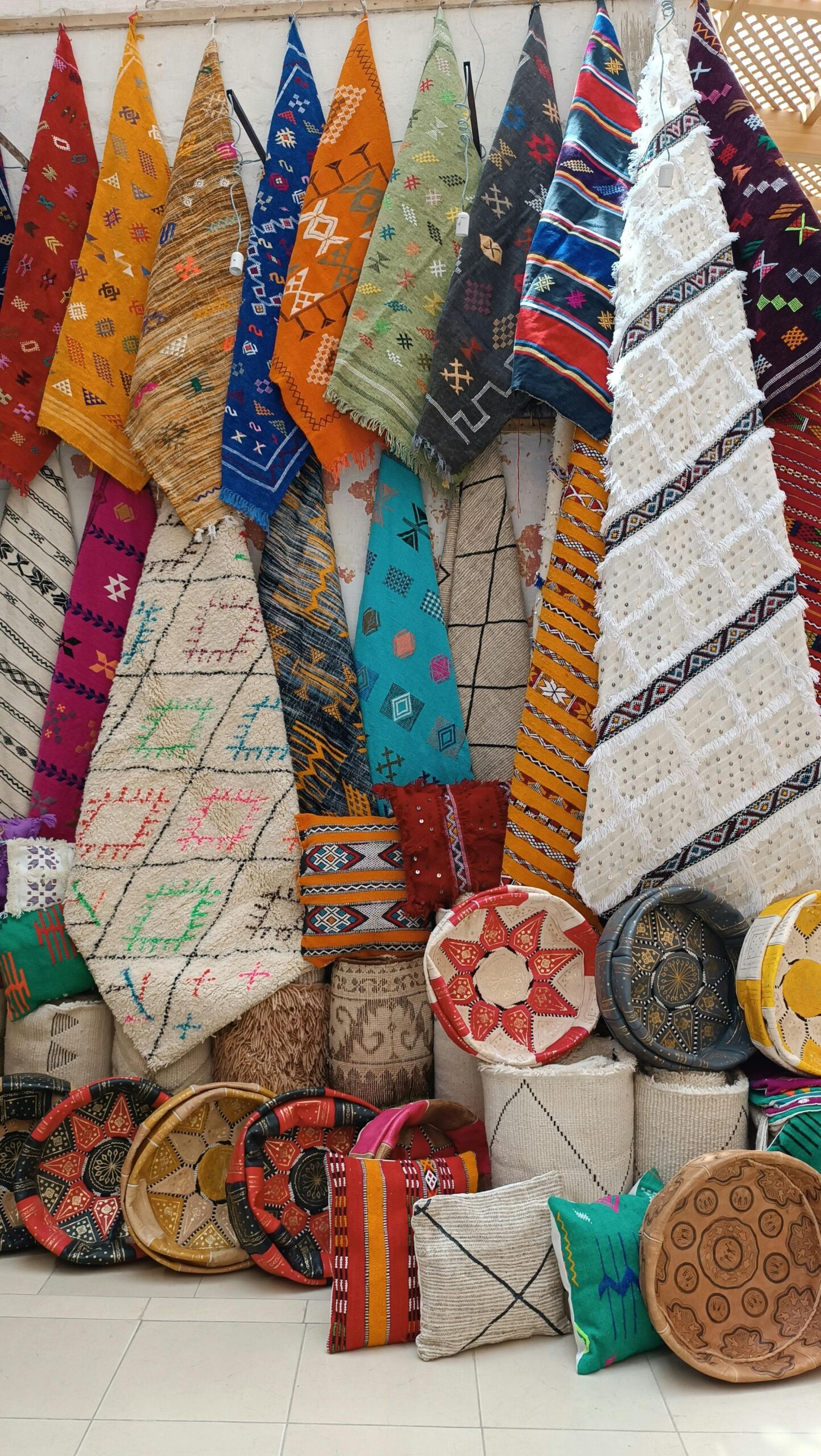
Moroccan carpets, known as zerbiya, are deeply rooted in the daily life and traditions of Moroccan women, especially in rural and Amazigh communities. For centuries, women have been the guardians of this craft, passing their knowledge from mother to daughter.
The creation of a Moroccan carpet begins with sheep wool, which is carefully cleaned, spun by hand, and dyed using natural colors made from plants, minerals, and herbs. Each color holds meaning, often symbolizing nature, fertility, protection, or life experiences.
Once the wool is prepared, women work patiently on traditional wooden looms. The weaving process can take weeks or even months, depending on the size and complexity of the carpet. Every knot is tied by hand, following patterns that are not drawn on paper but memorized and inspired by personal stories, dreams, and cultural symbols.
The final step is trimming, washing, and drying the carpet under the sun, revealing its true texture and vibrant colors. No two Moroccan carpets are ever the same — each one is a unique work of art created with care, emotion, and heritage.
These carpets are not only decorative pieces but living stories woven by women, reflecting identity, memory, and generations of craftsmanship.
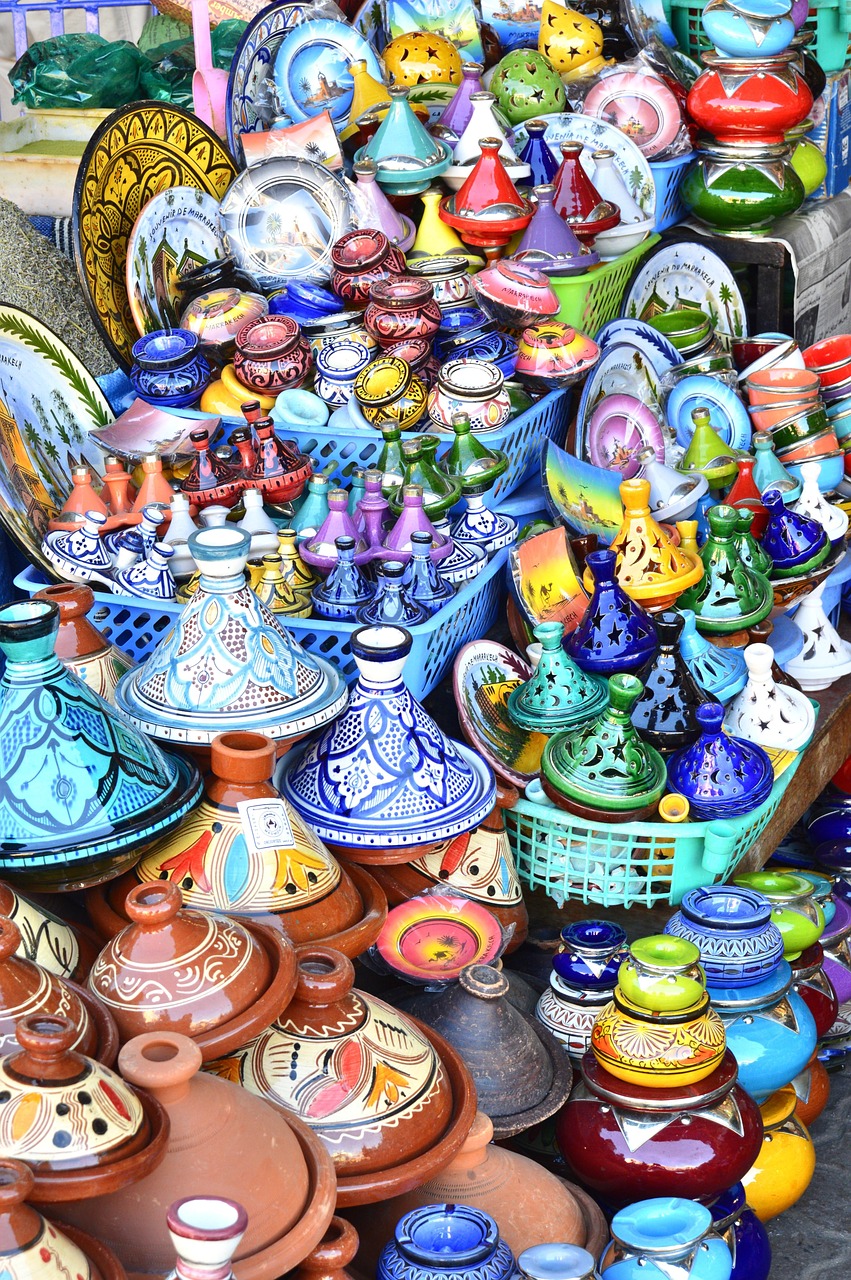
Moroccan pottery is one of the country’s oldest and most respected traditional crafts. It has been practiced for centuries in cities such as Safi, Fez, Marrakech, and Tamegroute, each region known for its own colors, shapes, and techniques.
The process begins with natural clay collected from the earth. Artisans clean and shape the clay by hand or using a traditional potter’s wheel, forming plates, bowls, tagines, and decorative pieces.
Once shaped, the pottery is left to dry naturally before being fired in traditional ovens. After the first firing, artisans decorate each piece by hand using geometric patterns, floral designs, and symbolic motifs inspired by Moroccan culture and Amazigh heritage.
Natural pigments are then applied, giving Moroccan pottery its famous colors — especially deep blue, green, yellow, and earth tones. The pieces are fired once again, fixing the colors and creating a strong, durable finish.
Every Moroccan pottery item is handmade, making each piece unique. Beyond decoration, these works represent daily life, tradition, and the artistic spirit of Moroccan craftsmanship.
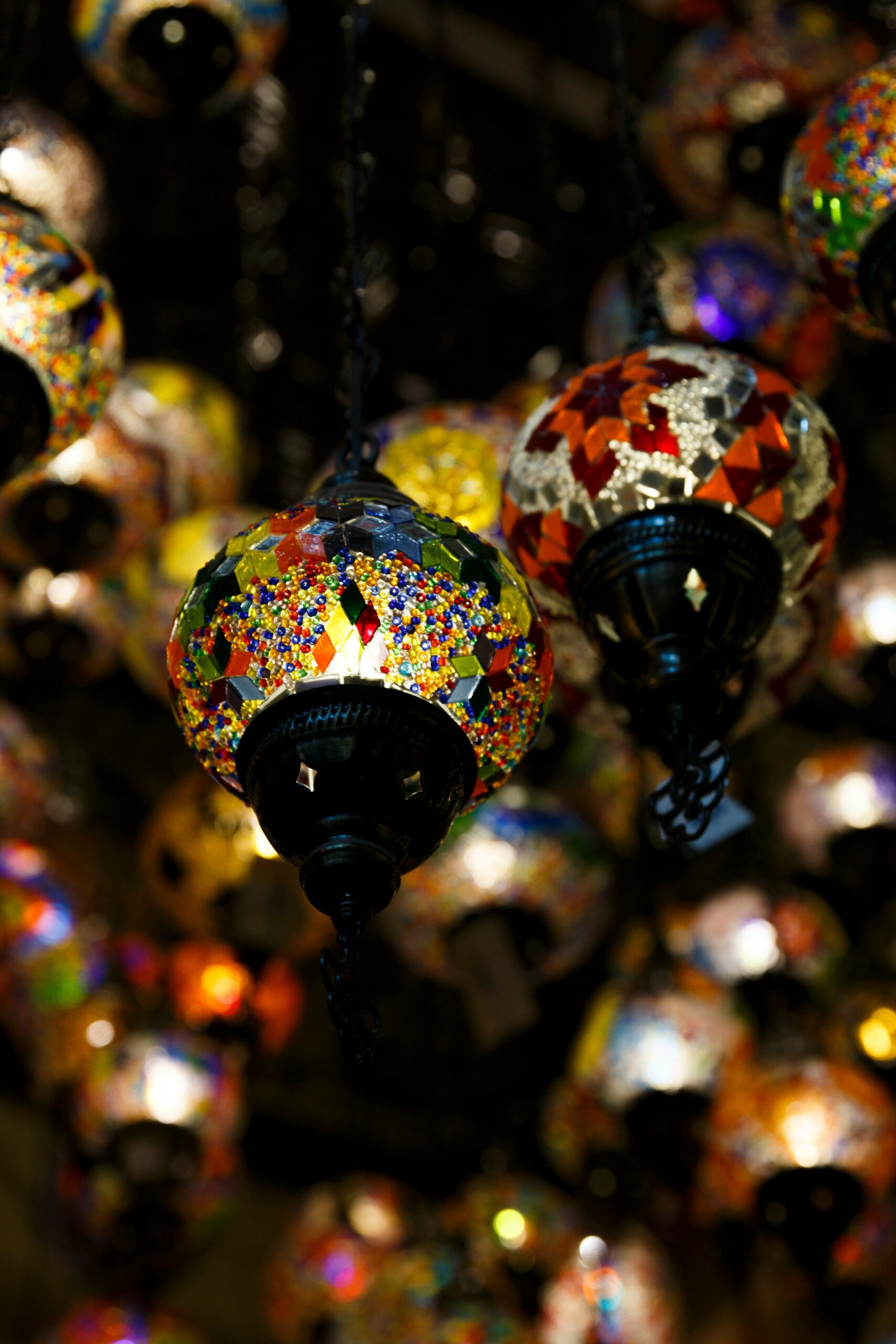
Moroccan lamps are a distinctive symbol of the country’s artistic craftsmanship. Known for their warm glow and intricate patterns, these lamps are handmade using traditional techniques passed down through generations.
Artisans carefully shape metal such as brass, copper, or silver, cutting and engraving detailed geometric and floral designs by hand. Each small opening is precisely placed to allow light to pass through, creating beautiful shadows and patterns on surrounding walls.
Some lamps are also combined with colored glass, adding depth and atmosphere to the light. When illuminated, Moroccan lamps transform spaces into warm and inviting environments inspired by traditional riads and palaces.
Traditionally, Moroccan lamps are crafted in small workshops within the old medinas, where artisans work patiently using simple tools and great precision. The making of a single lamp can take several days, as every detail is shaped, pierced, and assembled by hand. This slow process reflects the value Moroccans place on patience and craftsmanship.
These lamps are commonly used in homes, riads, cafés, and hotels, where they create a calm and intimate atmosphere. Their soft lighting and decorative shadows are designed to bring comfort, warmth, and a sense of tranquility, making Moroccan lamps an essential element of traditional interior design.
Beyond decoration, these lamps reflect the harmony between light, art, and architecture in Moroccan culture, making them both functional objects and timeless works of craftsmanship.
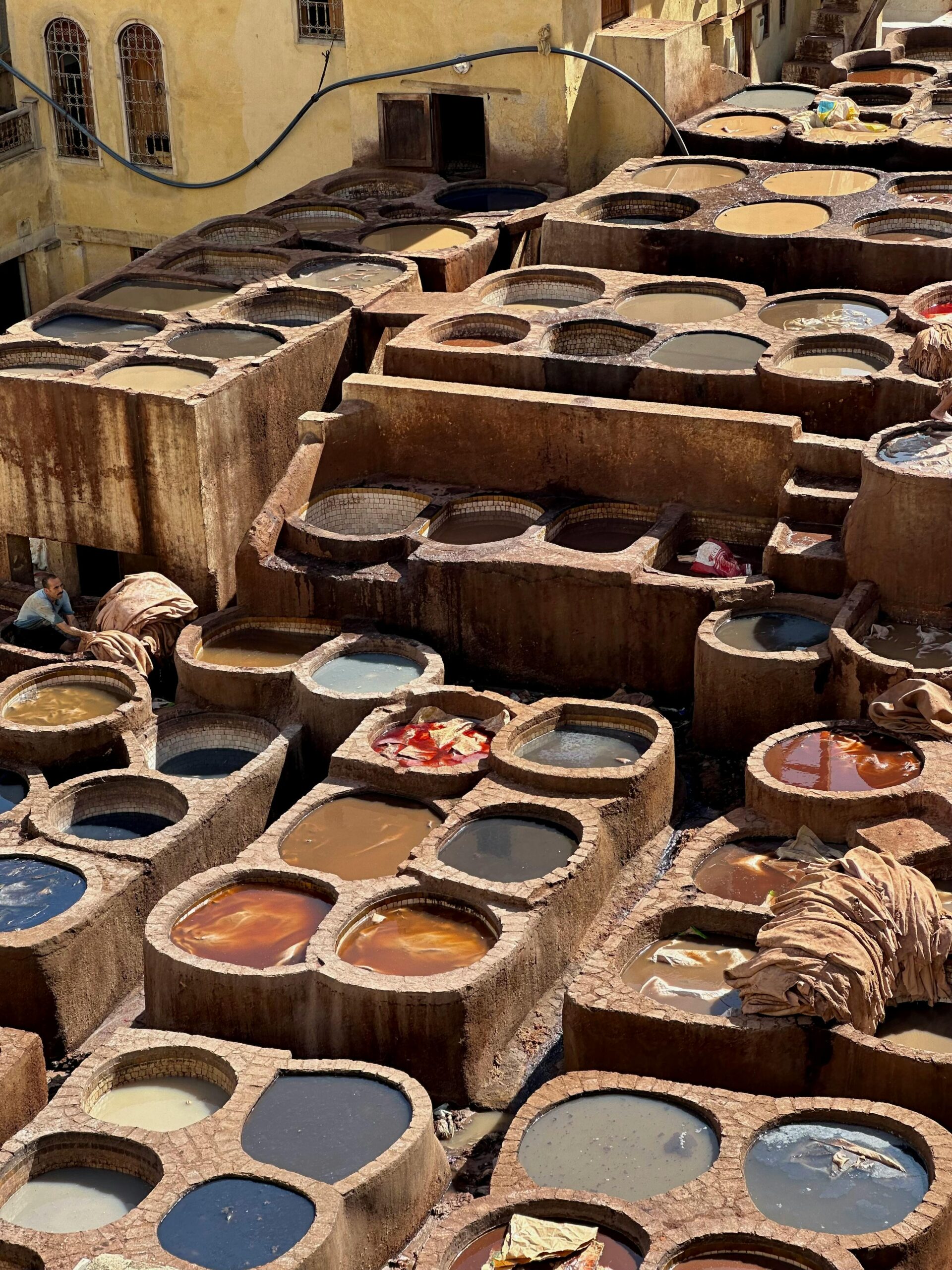
Moroccan leather craftsmanship is world-renowned and deeply rooted in centuries of tradition. The city of Fez, home to one of the oldest leather tanneries in the world, remains the heart of this historic craft.
The leather-making process begins with raw animal hides, which are treated using natural methods passed down through generations. Artisans soften and clean the hides before dyeing them with natural colors made from plants, minerals, and herbs.
Once dried under the sun, the leather is transformed by skilled craftsmen into a wide range of handmade products, including bags, belts, wallets, slippers (babouches), and jackets. Each piece is carefully cut, stitched, and finished by hand.
Moroccan leather is valued not only for its quality and durability but also for its authenticity. Every item reflects the patience, skill, and dedication of artisans who continue to preserve this ancient tradition in modern times.
Leather craftsmanship in Morocco is closely connected to everyday life and local identity. Many families have worked in this trade for generations, passing skills from parent to child. Walking through traditional souks, visitors can see artisans shaping, sewing, and polishing leather by hand, keeping ancient techniques alive in a modern world.
Today, Moroccan leather remains highly appreciated for its natural feel, strength, and timeless style. Each handmade piece carries the story of the artisan who created it, making Moroccan leather not only a product, but a living expression of heritage and craftsmanship.
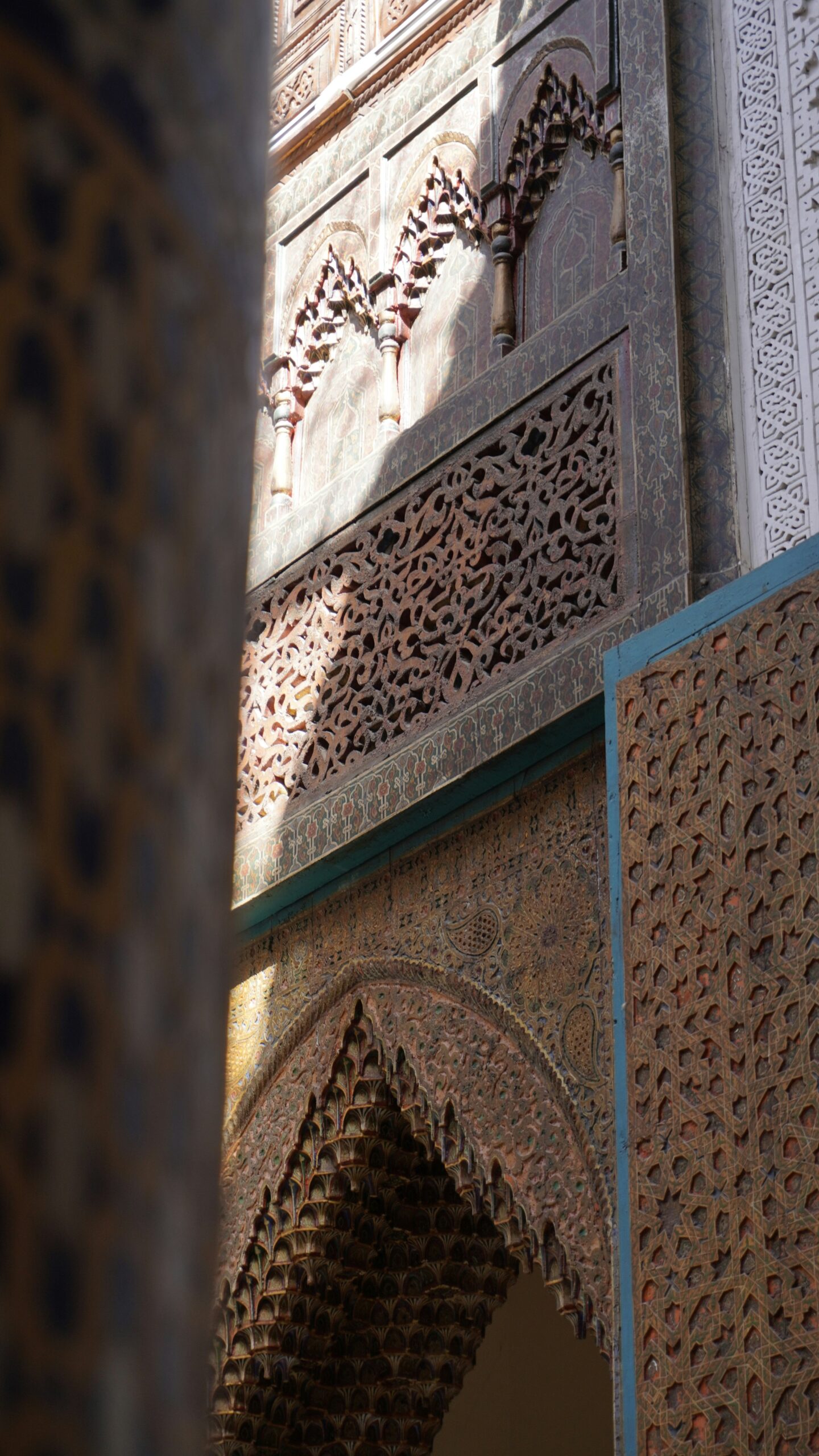
Moroccan wood carving is a refined traditional craft that reflects the country’s artistic heritage and architectural beauty. This craft is especially visible in doors, ceilings, furniture, and decorative panels found in riads, mosques, and historic buildings.
Artisans carefully select natural woods such as cedar, walnut, and thuya, known for their strength and rich texture. Using hand tools, craftsmen carve intricate geometric patterns, floral motifs, and calligraphic designs inspired by Islamic art.
The carving process requires great precision and patience, often taking days or weeks to complete a single piece. Each detail is shaped by hand, transforming simple wood into a work of art.
Moroccan wood carving represents harmony between craftsmanship and tradition, preserving techniques that have been passed down through generations and continue to shape the identity of Moroccan architecture and design.
Wood carving in Morocco is not only decorative but also deeply symbolic. Many patterns represent balance, protection, and harmony, reflecting spiritual and cultural values rooted in Moroccan history. These designs are carefully planned to maintain symmetry, a key element in traditional Moroccan art.
This craft is often learned through long apprenticeships, where young artisans spend years observing masters before practicing on their own. Through this process, knowledge is preserved and craftsmanship remains authentic.
Moroccan handcrafts are a true reflection of the country’s soul, shaped by tradition, creativity, and human touch. From weaving and pottery to leather, jewelry, and henna, each craft tells a story passed down through generations. Together, they represent the richness of Moroccan heritage and the enduring beauty of handmade artistry.
Discover More About Morocco
Moroccan handcrafts reflect only one side of the country’s rich heritage. Continue your journey to explore Morocco’s traditions, landscapes, daily life, and cultural diversity.