A Journey Through the Flavors of the Desert
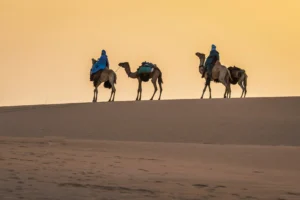
When people think of Morocco, images of colorful souks and coastal cities often come to mind. But beyond the Atlas Mountains lies a magical world of golden dunes and ancient traditions — the Moroccan desert. In places stretching toward the vast Sahara Desert, food is more than nourishment; it’s culture, survival, and hospitality woven into every bite.
Moroccan desert cuisine is simple yet deeply flavorful, shaped by nomadic life, scarce water, and centuries of trade across North Africa.
The Heart of the Desert Diet
Dates: Nature’s Energy Boost
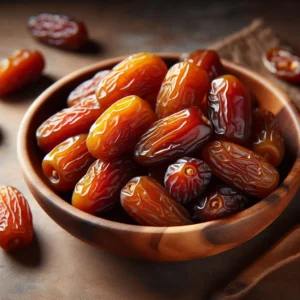
Dates are essential in desert life. Grown in oases scattered across southern Morocco, they are rich in natural sugars and minerals — perfect for sustaining energy in extreme heat.
In desert camps near Merzouga, it’s common to welcome guests with fresh dates and mint tea. This gesture symbolizes generosity and respect.
Bread: The Daily Staple
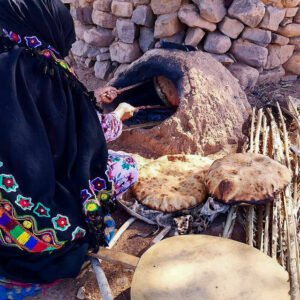
Bread is central to every Moroccan meal, especially in desert regions. Traditional flatbreads are baked in clay ovens or directly over hot stones. One popular style is khobz, a round, crusty bread used to scoop up stews and salads.
In remote Berber communities, bread-making is often a communal activity, reflecting the strong social bonds of desert life
Tagine: Slow-Cooked Perfection
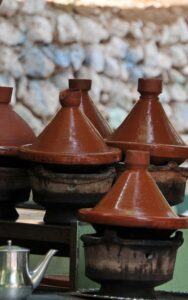
No discussion of Moroccan food is complete without the tagine — both the name of the dish and the clay pot it’s cooked in.
In desert areas, tagines often feature:
Lamb with prunes and almonds
Chicken with preserved lemon and olives
Vegetables seasoned with cumin, turmeric, and saffron
The conical lid of the tagine traps steam, allowing food to cook slowly while conserving moisture — a clever adaptation to the arid climate.
In cities like Ouarzazate, often called the “Gateway to the Desert,” you’ll find some of the most authentic desert-style tagines.
Couscous: A Friday Tradition
Couscous is a cornerstone of Moroccan cuisine. Traditionally served on Fridays after prayers, it is steamed to fluffy perfection and topped with vegetables, chickpeas, and tender meat.
In desert communities, couscous meals are large and shared from one dish, reinforcing unity and hospitality.
Mint Tea:
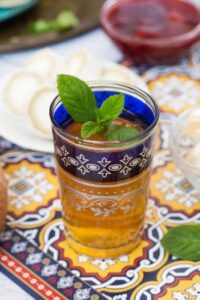
The Symbol of Welcome
Moroccan mint tea is more than a drink — it’s a ritual. Made with green tea, fresh mint leaves, and generous amounts of sugar, it is poured from a height to create a light foam on top.
In the desert, offering tea is a sacred gesture. Refusing it can be seen as impolite, while accepting it means entering a bond of trust and friendship.