
Moroccan cuisine is one of the richest and most flavorful cuisines in the world. It reflects the country’s long history, diverse regions, and cultural influences from Arab, Amazigh, Andalusian, and Mediterranean traditions.
Moroccan food is known for its unique use of spices, slow cooking methods, and the perfect balance between sweet and savory flavors. Meals are not just about eating — they are moments of sharing, hospitality, and tradition.
From family kitchens to local restaurants, Moroccan dishes tell the story of a country proud of its culture and identity.
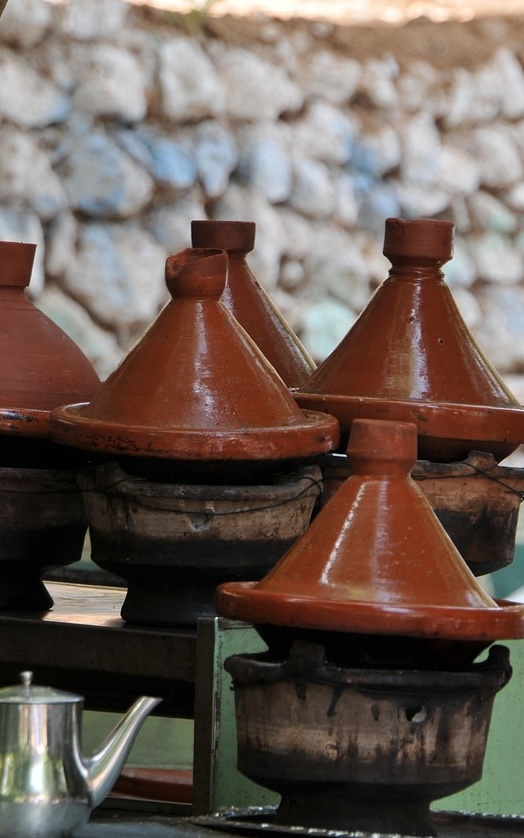
Tagine is one of the most iconic dishes of Moroccan cuisine. It is a slow-cooked meal prepared in a traditional clay pot that shares the same name. This cooking method allows the ingredients to simmer gently, creating rich flavors and tender textures.
Moroccan tagines are known for their aromatic spices, such as cumin, ginger, turmeric, saffron, paprika, and ras el hanout — a famous Moroccan spice blend. These spices give each tagine its deep flavor and unique character.
There are many different types of tagines across Morocco. Popular varieties include chicken tagine with preserved lemons and olives, beef or lamb tagine with prunes and almonds, vegetable tagine, and seafood tagine in coastal regions. Each region adds its own touch, making every tagine a unique culinary experience.
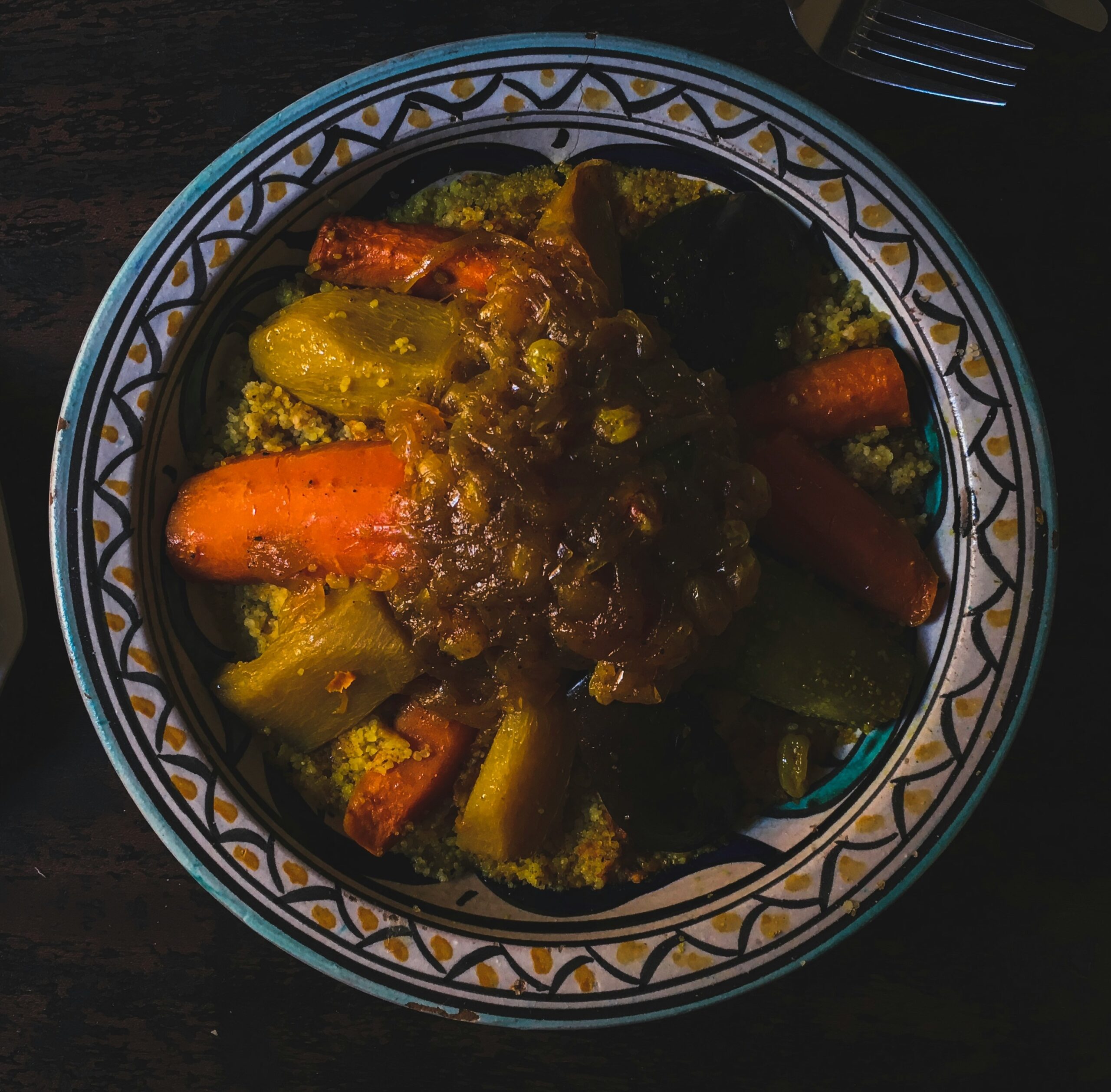
Couscous is considered the national dish of Morocco and holds a special place in Moroccan culture. It is traditionally prepared with steamed semolina grains served with a variety of vegetables, chickpeas, and meat such as lamb, beef, or chicken.
The dish is gently flavored with traditional spices including turmeric, ginger, black pepper, and saffron, creating a balanced and comforting taste. The vegetables are slow-cooked in a rich broth, which is then poured over the couscous to bring all the flavors together.
In Morocco, couscous is commonly prepared on Fridays, when families gather after prayer to share this symbolic meal. There are many variations of couscous, including vegetable couscous, seven-vegetable couscous, and sweet versions served with caramelized onions and raisins. Each version reflects regional traditions and family recipes passed down through generations.
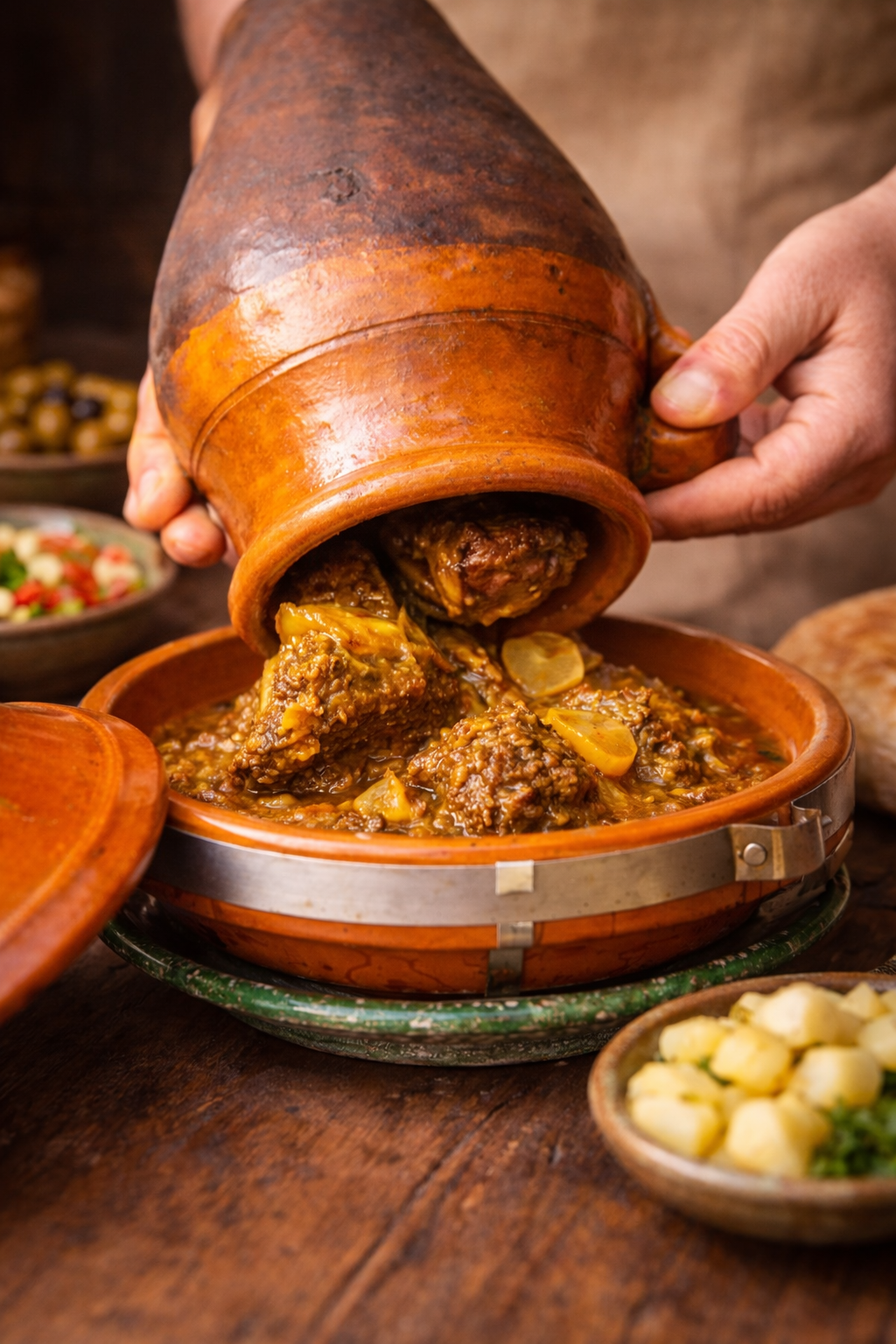
Tanjia is a traditional Moroccan dish that originates from the city of Marrakech. It is especially popular among locals and is deeply connected to the city’s history and daily life.
Unlike tagine, tanjia is cooked in a tall clay jar and prepared with large pieces of meat, usually beef or lamb. The meat is seasoned with garlic, cumin, saffron, preserved lemon, and smen (traditional fermented butter), giving the dish its distinctive and rich flavor.
Tanjia is slowly cooked for several hours in the hot ashes of communal ovens, allowing the meat to become incredibly tender and aromatic. Often prepared for gatherings, celebrations, or weekends, tanjia represents simplicity, patience, and Moroccan culinary tradition passed down through generations.
Tanjia is often prepared by groups of friends rather than families, especially during weekends or special occasions. In Marrakech, it is common to see people taking their clay jars to the neighborhood oven early in the morning and returning hours later to enjoy a slow-cooked meal together. This tradition reflects the social spirit of Moroccan life, where food brings people together and creates shared moments.
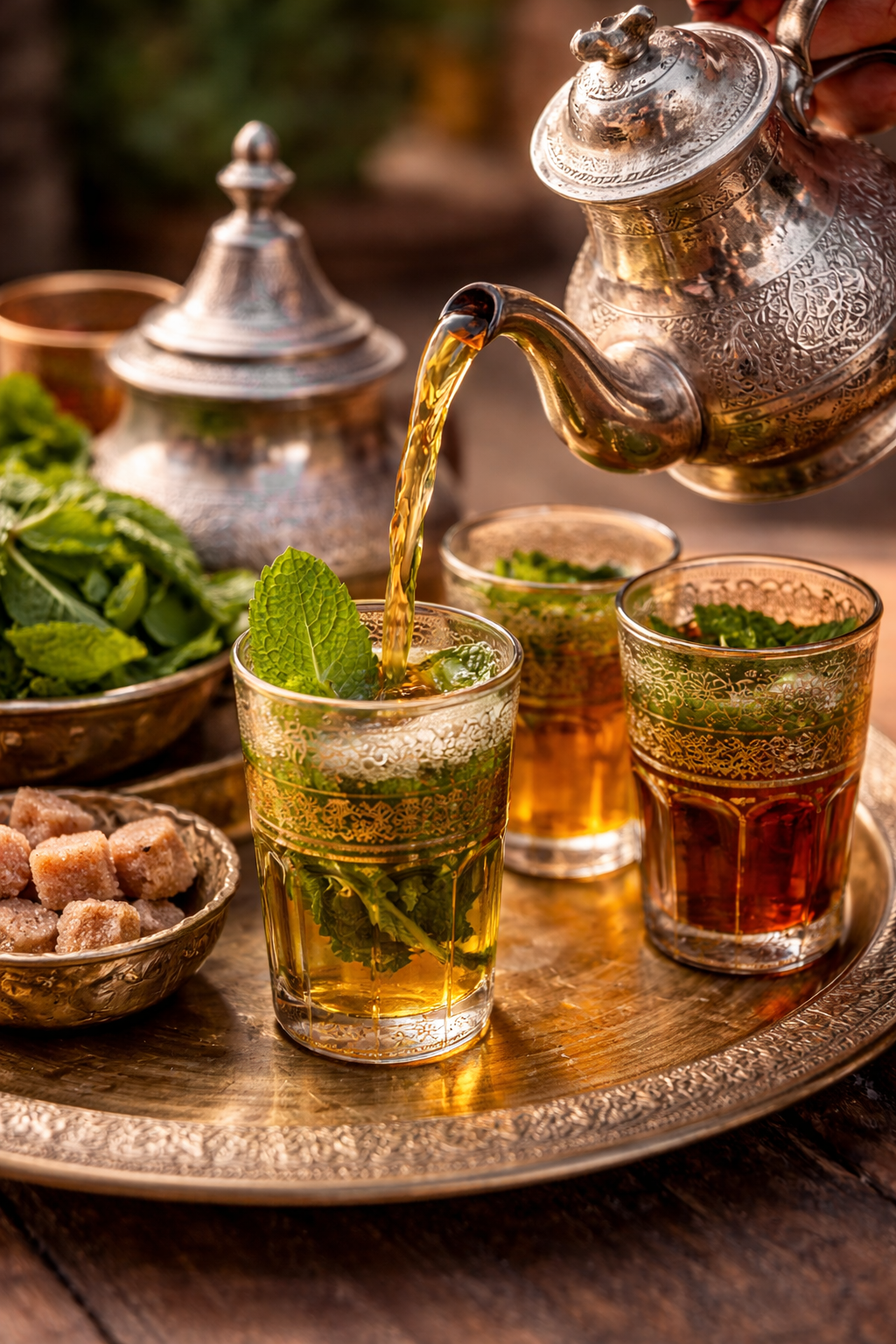
Moroccan mint tea is one of the strongest symbols of hospitality and daily life in Morocco. Prepared with green tea, fresh mint leaves, and sugar, it is more than a drink — it is a tradition shared in homes, cafés, and gatherings across the country.
The tea is carefully brewed and poured from a height into small glasses, creating a light foam on the surface. This traditional pouring style is considered an art and reflects respect and generosity toward guests.
Moroccan mint tea is served throughout the day, whether to welcome visitors, accompany conversations, or mark moments of relaxation. Its refreshing taste and comforting aroma make it an essential part of Moroccan culture and a reflection of the country’s warmth and hospitality.
In addition to fresh mint, Moroccans often prepare tea using a variety of local herbs depending on the region and season. These include verbena, sage, thyme, wormwood, and orange blossom leaves. Each herb gives the tea a unique aroma and taste, showing how Moroccan tea culture adapts beautifully to nature and tradition.
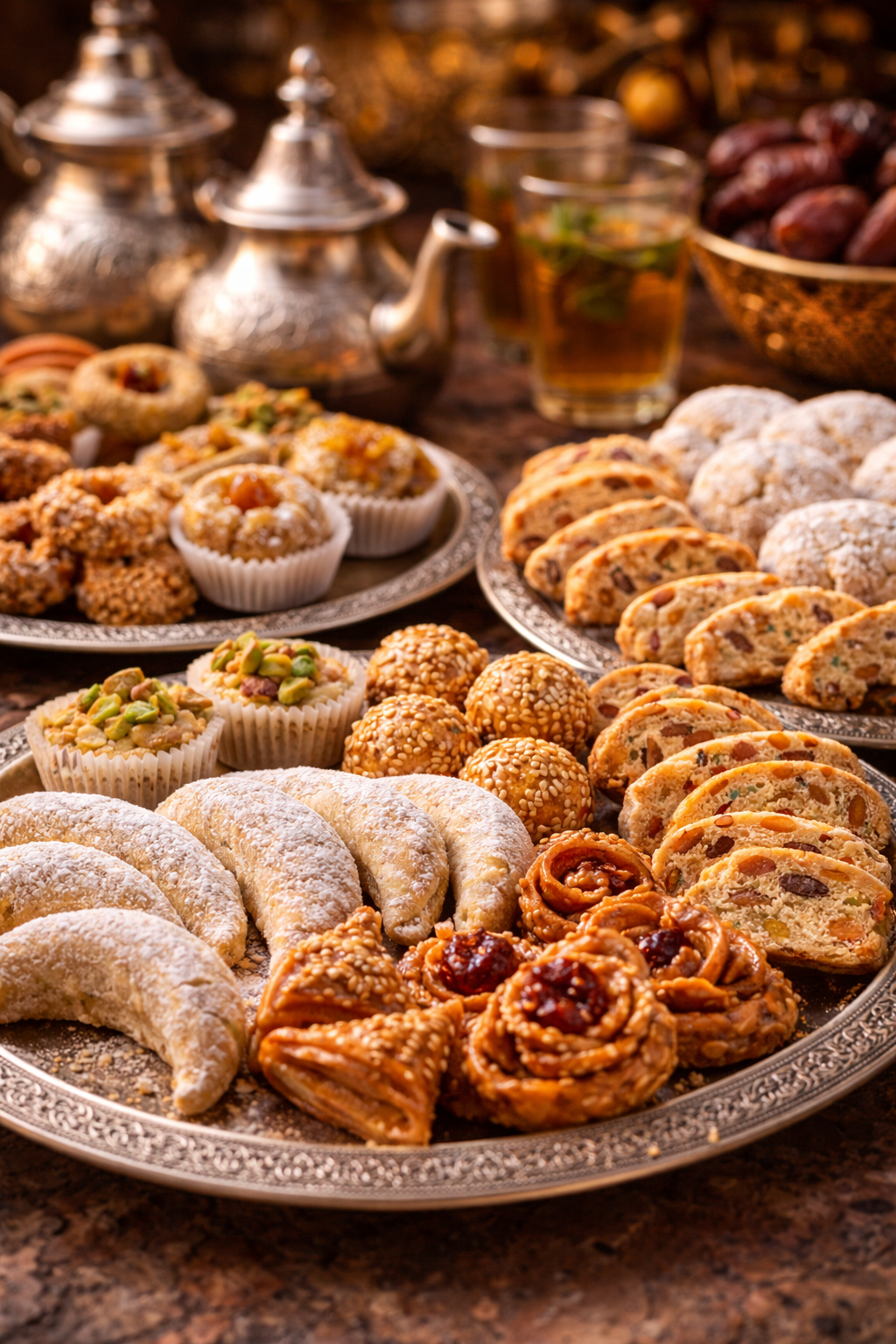
Moroccan sweets are an essential part of the country’s culinary heritage and are especially present during celebrations, religious festivals, weddings, and family gatherings. These pastries are known for their delicate shapes, rich flavors, and careful preparation.
Most Moroccan sweets are made using ingredients such as almonds, sesame seeds, honey, orange blossom water, and cinnamon. Popular varieties include chebakia, briouats, ghriba, and almond pastries, each offering a unique balance of sweetness and aroma.
In Moroccan culture, sweets are traditionally enjoyed alongside mint tea, creating a perfect harmony between sweetness and freshness. This combination is commonly served to guests as a symbol of hospitality, warmth, and generosity.
Moroccan food is a reflection of the country’s soul — rich in flavor, shaped by tradition, and shared with warmth. From slow-cooked dishes to fragrant tea and delicate sweets, every meal tells a story of heritage, hospitality, and a deep connection to culture.
Discover More About Morocco
Moroccan cuisine is only one part of the country’s rich identity. Continue your journey and explore the culture, traditions, cities, and lifestyle that make Morocco truly unique.